
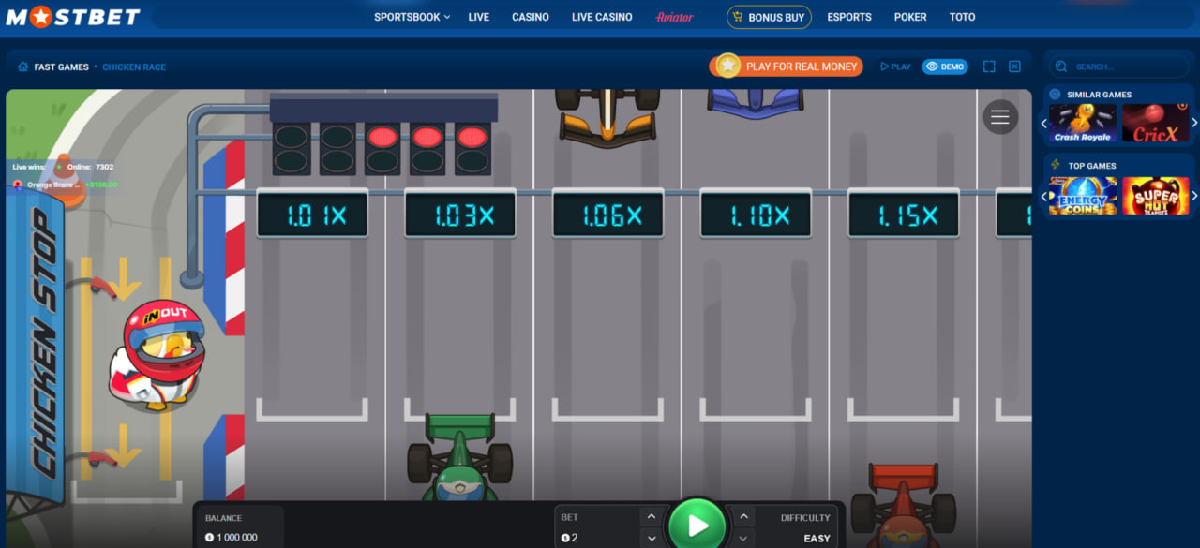
Welcome to the exhilarating universe of chicken road race, where feathery racers take to the roads, and the excitement is palpable. This unique sport has grown in popularity, captivating audiences with its whimsy and competitive spirit. But what exactly is chicken road racing, and why are so many people drawn to it? Let’s explore the origins, rules, excitement, and some of the unforgettable moments from the world of chicken road racing.
Origins of Chicken Road Racing
While it may sound like a modern invention, the roots of chicken road racing can be traced back to rural communities where livestock races were a form of entertainment. Hens, with their natural speed and agility, were quickly identified as potential competitors. The first unofficial races were held in backyards and farmyards, creating a festive atmosphere that soon gathered more participants.
As interest in this quirky sport grew, organized events began popping up in various regions. While the specifics may differ from one place to another, the underlying thrill of watching a chicken dash down a track remains the same. These events not only bring together the community but celebrate a unique kind of camaraderie that is rare in professional sports.
Rules of Chicken Road Racing
Like any sport, chicken road racing has its own set of rules to ensure fairness and safety. Here are some of the essential guidelines used in official competitions:

- Track Length: The standard race track length varies but is generally around 100 meters. This distance allows for a quick race while keeping the audience engaged.
- Chicken Breed: Only certain breeds of chickens are allowed to compete, typically those known for their speed and agility, such as the Leghorn or the Rhode Island Red.
- Handlers: Each chicken must be accompanied by a handler who will help guide them through the race. Handlers are responsible for the welfare of their birds and must ensure they do not interfere with other competitors.
- Race Start: Races usually start with a signal, often a loud horn or whistle, and all chickens are released simultaneously, ensuring a fair start.
- Judging: The first chicken to cross the finish line is declared the winner. If there’s a tie, a quick runoff may occur.
The Joy of Participation
One of the most charming aspects of chicken road racing is the joy it brings to both participants and spectators alike. For many, training a chicken for races becomes a fun and hilarious bonding experience. Enthusiasts invest time and effort into preparing their birds, teaching them to navigate the track and encouraging them along the way.
Spectators often gather for these races, drawn not only by the competition but by the festive atmosphere. Local vendors may set up stalls selling snacks, drinks, and merchandise, while music adds to the celebratory vibe. Families come together to cheer for their favorites, and laughter echoes as birds take unexpected detours during races.
Memorable Moments in Chicken Road Racing
The history of chicken road racing is filled with memorable moments that have become part of its folklore. From the first recorded race in a small town to the larger, annual competitions that attract fans from all over, here are a few unforgettable anecdotes:

- The Unlikely Champion: In one infamous race, a hen named Henrietta shocked everyone by winning against all odds. This seemingly ‘average’ chicken, who had never raced before, pulled off a stunning victory, securing her place in chicken racing lore.
- The Great Escape: During a major event, a chicken unexpectedly darted off the track, heading towards a food stall. Instead of panicking, the crowd erupted in laughter, and the chicken was eventually coaxed back with a treat, showcasing the lighthearted nature of the sport.
- International Championships: In recent years, chicken road racing has expanded beyond local competitions, leading to international championships where racers and fans from around the world gather to celebrate their love for this unusual sport.
The Future of Chicken Road Racing
As chicken road racing gains popularity, discussions about sustainability and ethical treatment of the animals involved have emerged. Event organizers are increasingly focusing on the welfare of the chickens, ensuring they are not only racers but cherished pets. Training methods are becoming more humane, with an emphasis on building relationships and trust between chickens and handlers.
In addition to this, many racing events are now part of larger festivals that celebrate agricultural heritage. These events offer educational opportunities about animal husbandry, fostering respect for all creatures involved and emphasizing responsible ownership.
Conclusion
Chicken road racing is more than just a quirky sport; it’s a celebration of community, laughter, and the bond between humans and animals. As we witness its growth and evolution, it’s essential to keep the spirit of joy and camaraderie alive. Whether you’re a spectator or a participant, there’s something magical about cheering for a little chicken as it trots down the track, proving that sometimes the most unconventional sports bring us the greatest joy. So, next time you hear about a chicken road race, don’t hesitate to join in on the fun and experience the excitement for yourself!